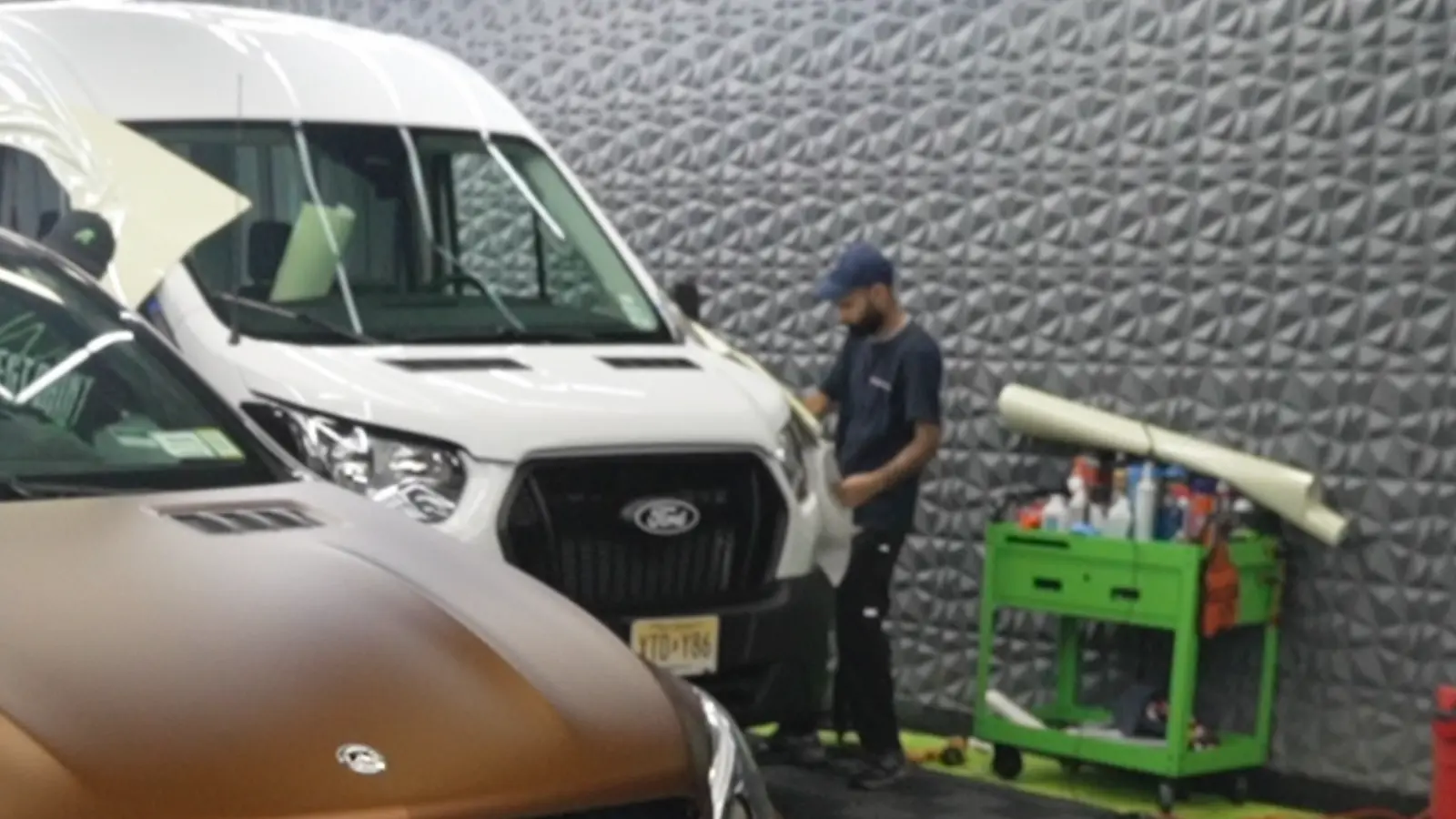
The Unwrapped Work Van Is Costing You Money: Why Commercial Wraps Matter
There's a moment every service business owner should think about: your van pulls up to a job, and the neighbors look out the window. If the van is plain white, nothing happens. If it's wrapped, every neighbor now knows who does the work on their block — and that moment repeats at every job, every day, for years.
Commercial wraps get treated like decoration. They're not. They're the highest-frequency, lowest-cost advertising channel a local business can own — and they change how customers perceive you before a word is spoken.
You're Already Paying for the Ad Space
Your vehicles are on the road anyway. Fuel, insurance, maintenance — all paid. The sides of those vehicles are billboard space you own outright, driving through the exact neighborhoods you serve, parked at the exact addresses where your next customers live. An unwrapped fleet is inventory you bought and never put up for sale.
A single wrapped vehicle in urban traffic generates tens of thousands of views per day. We break down the full numbers — against TV, radio, and social — in our wrap advertising statistics post.
Trust Is the Real Product
For trades especially — HVAC, plumbing, electrical, construction — the wrap does something subtler than advertising: it signals legitimacy. Homeowners let your crew into their houses. A branded, professional vehicle says established company; an unmarked van says unknown quantity. The same crew, the same work, closes at a different rate when the truck looks like a business.
It also compounds. The fifth time someone sees your wrapped van in their neighborhood, you've become "the company I always see around here" — which is exactly who people call, because visible means busy and busy means trusted.
What a Wrap Does That Other Marketing Can't
- It never stops running. No monthly spend, no campaign end date, no algorithm. One payment, five-plus years of impressions.
- It's hyper-local by physics. Your ad exists exactly where your trucks work - which is exactly where your customers are.
- It can't be skipped, blocked, or scrolled past. No ad blocker works on a box truck.
- It protects the asset. The vinyl shields factory paint from UV and road wear, and comes off clean at resale or lease return.
Levels of Entry: You Don't Have to Start with Full Wraps
The commercial wrap ladder lets you match spend to stage:
- DOT lettering & spot graphics — name, USDOT number, logo, phone. Gets you legal and visible from a few hundred dollars.
- Partial wraps — brand the high-visibility panels (rear doors, sides) and blend into the vehicle color. Most of the impact at roughly half the cost.
- Full wraps — the complete moving billboard. Maximum recall, maximum presence.
The rear doors alone are underrated: that's the panel every driver stares at in traffic — prime real estate that most fleets leave blank.
Consistency Is What Makes a Fleet Look Like a Company
One wrapped van looks smart. Five vehicles in identical branding look like an institution. Fleet consistency — same colors, same layout, same phone number placement — multiplies the recognition effect, and it's why we run color-managed printing and batch-controlled materials: vehicle #14 must match vehicle #1, even when they were wrapped a year apart.
Common Objections, Honestly Answered
"It's too expensive." Amortize it: one wrap works for five-plus years of daily citywide advertising, and the per-day cost works out to pocket change. There is no other channel at that rate — see the CPM comparison.
"We're getting new vehicles next year." Wraps remove cleanly and the design work is reusable. Wrap what earns today; carry the brand to the new vehicles when they land.
"Our vans get beat up." That's an argument for wrapping - the vinyl absorbs the sun fade and wash wear, and a damaged panel's wrap can be reprinted and replaced panel-by-panel, cheaper than paint.
The Bottom Line
Every day an unwrapped work vehicle drives its route, it burns impressions you already paid for. The wrap converts a cost center into the hardest-working salesperson on staff — one that never calls in sick, works weekends, and gets seen by everyone your business needs to reach. Start where budget allows, keep the fleet consistent, and let the miles do the marketing. Explore commercial wraps or get a fleet quote.
Frequently Asked Questions
How much does it cost to wrap a commercial van?
It depends on the vehicle, the coverage level (lettering, partial, or full wrap), and the design. Fleet quantities lower the per-vehicle price. Request a free quote with your vehicle list and we will price your exact fleet.
How long does a commercial wrap last?
Premium cast vinyl with laminate lasts 5-7 years in daily commercial use. Over that lifespan the cost per day of advertising typically works out to a dollar or two - less than a single coffee.
Do wraps damage the vehicle or hurt resale?
The opposite: vinyl protects the paint underneath from sun and road wear, and removes cleanly. Fleets often resell wrapped-then-unwrapped vehicles with better paint than unwrapped ones.
We lease our vans - can we still wrap them?
Yes. Wraps are the standard way to brand leased vehicles precisely because they remove without a trace at turn-in. Most commercial leases explicitly allow it.