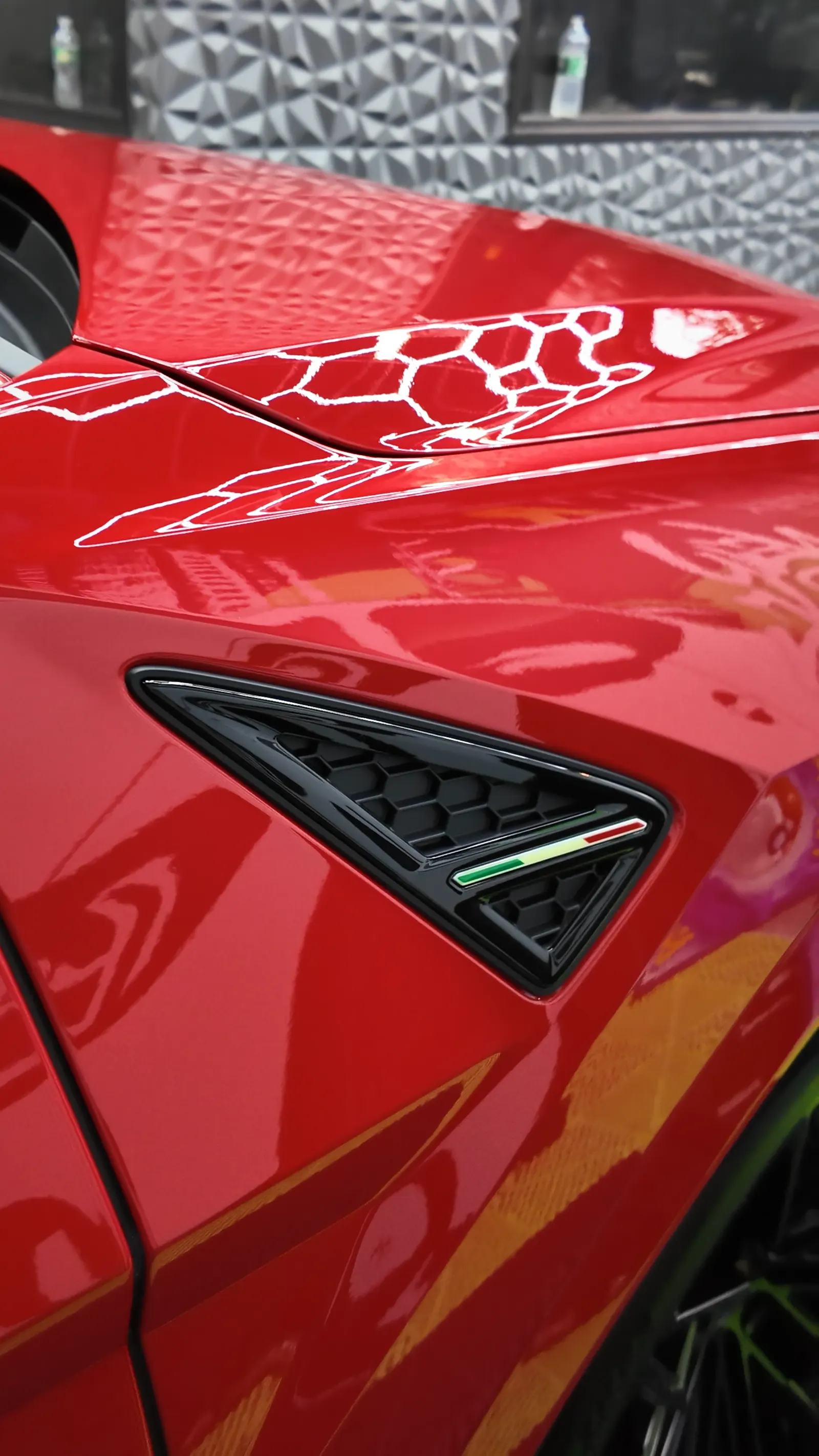
Built for the Borough With a Coastline.
Salt air never sleeps - a ceramic layer means it etches the coating, not your clear coat.
A Glass Shield With a Shine
Ceramic coating cures into a sacrificial glass layer over corrected paint - hydrophobic, UV-blocking, and chemically resistant to exactly the things coastal boroughs throw at a finish.
The correction-first process and coating science live on the ceramic page; what correction involves is on paint correction.
Salt Is the Island's Whole Year
Winter road brine, summer shore air - Staten Island paint faces salt in every season, plus the borough's full-sun parking. Ceramic chemistry answers all three.
Year-Round Salt Cycle
Coastal humidity carries salt even in July - a coating keeps the corrosive chemistry sitting on sacrificial glass instead of working into clear coat.
Driveway UV Hours
Uncovered parking racks up sun hours faster than anywhere in the city - the coating's UV block is what keeps deep colors from going chalky.
The Hand-Wash Borough
Islanders wash their own cars - a coated finish makes weekend washes faster, safer, and visibly more rewarding when the water sheets off.
Local Questions, Answered
Does a ceramic coating actually stop salt-air corrosion?
It protects the painted surfaces by taking the chemical exposure itself - clear coat under an intact coating is untouched by the salt chemistry. Underbody metal is a separate topic, but the paint is what a coating defends beautifully.
How soon before summer should I get coated?
Spring is ideal - the coating needs a short cure window, then it faces beach season fully hardened. Booking before Memorial Day beats trying to undo a summer's damage after.
Coating versus waxing for an Island car?
Wax lasts weeks and surrenders to salt; a professional coating lasts years and resists it. If you enjoy waxing as a ritual, coat anyway - you can still top a coating, it just stops being necessary.